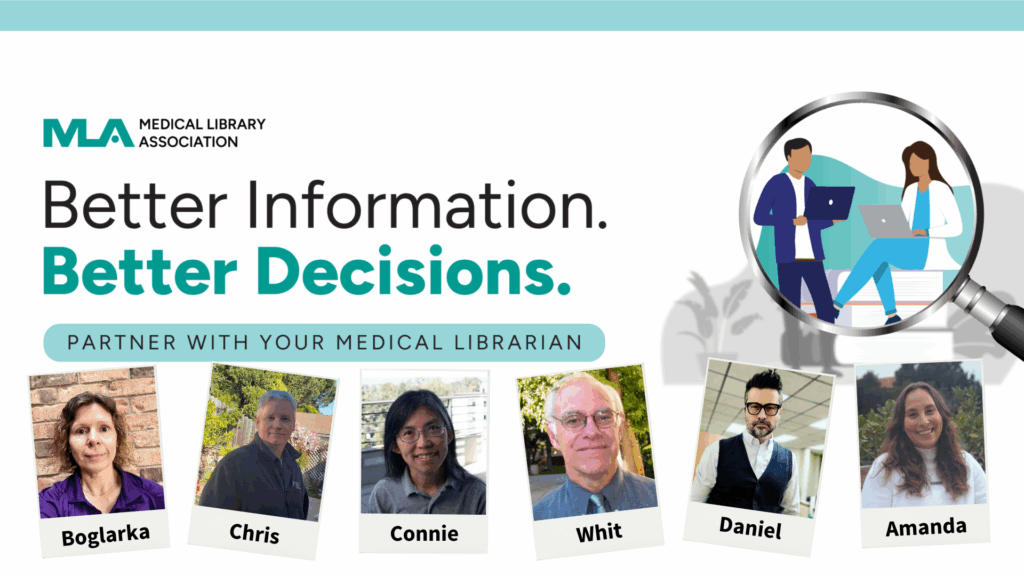
Meet Our Research & Instruction Team for National Medical Librarians’ Month
October is National Medical Librarians Month, an annual observance led by the Medical Library Association (MLA) to raise awareness of the vital role medical librarians and health information professionals play in patient care, research, and education. To celebrate, we are spotlighting our Research and Instruction Team— librarians who provide education and research-related support to the Stanford Medicine community. Read on for a Q&A that puts their expertise front and center and highlights how medical librarians help clinicians and researchers find better information to make better decisions.
Meet Boglarka Huddleston, Manager of the Research & Instruction Team!

What’s your role, and who do you help most often?
I manage Lane Medical Library’s Research & Instruction team, which means that I oversee our awesome liaison librarians’ daily work and coordinate all instruction-related activities. In addition, I am also a liaison librarian, so I respond to research questions, assist with literature search requests, and teach various classes. The majority of people I help are students, faculty, and researchers at the School of Medicine.
What do learners struggle with most, and how do you help?
I find that learners are inundated with information and resources when they are searching yet they are “not finding exactly what I need.” When this happens, I help them step back and refine their question first. Often, it’s less about searching harder and more about searching smarter. I always try to normalize this experience for them and explain that it is a common challenge in today’s information-rich environment. I also emphasize the skill of recognizing when the evidence gathered is sufficient to move forward, rather than chasing an unattainable “perfect source.”
What’s a common myth about medical librarians you’d like to bust?
A common myth is that Google has replaced us. Spoiler alert: It has not. We’re the ones teaching future doctors and researchers how not to drown in Google results. We also save them from bad searches and missing citations.
Fun & Fast Questions:
- What’s one search filter or hedge you use constantly? The LMICs hedge – list of Low- to Middle Income Countries as defined by the World Bank. I will not copy/paste it here because it would take up this whole blog post space 😊.
- A book, podcast, or course you recommend? It is no longer is production, but I love the following podcast: The Anthropocene Reviewed – John Green reviews facets of human life (like Diet Dr. Pepper or sunsets) on a five-star scale, mixing trivia with reflection. He also published a book of short essays with the same title. ⭐⭐⭐⭐⭐ – highly recommend both
- Favorite coffee/tea fuel? Since fall is here – PUMPKIN SPICE EVERYTHING!!!!
Ask Me About. . .
Why searching the literature is like cooking pasta. 😋
(For reelz, ask me…)
Meet Connie Wong, Medical Education Librarian
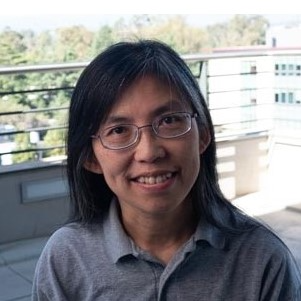
What’s a common myth about medical librarians you’d like to bust?
Myth: Medical librarians just sit at the desk and read all day.
Reality: We are busy teaching, helping students and clinicians find reliable information, and supporting research projects like systematic reviews.
How does your work improve patient care, research, or teaching?
We teach students, residents, and clinicians how to find and evaluate reliable evidence for learning and patient care. We also provide expert literature searches, support evidence synthesis and dissemination process, and ensure access to trusted medical resources that improve education, research, and clinical decision-making.
Fun & Fast Questions:
- What’s one search filter or hedge you use constantly? A PubMed filter to remove animal studies from your results: NOT (animals[mh] NOT humans[mh])
- Favorite coffee/tea fuel? Tieguanyin
Ask Me About. . .
Turning a clinical question into a 10-minute search.
Meet Christopher Stave, Graduate Medical Education Librarian
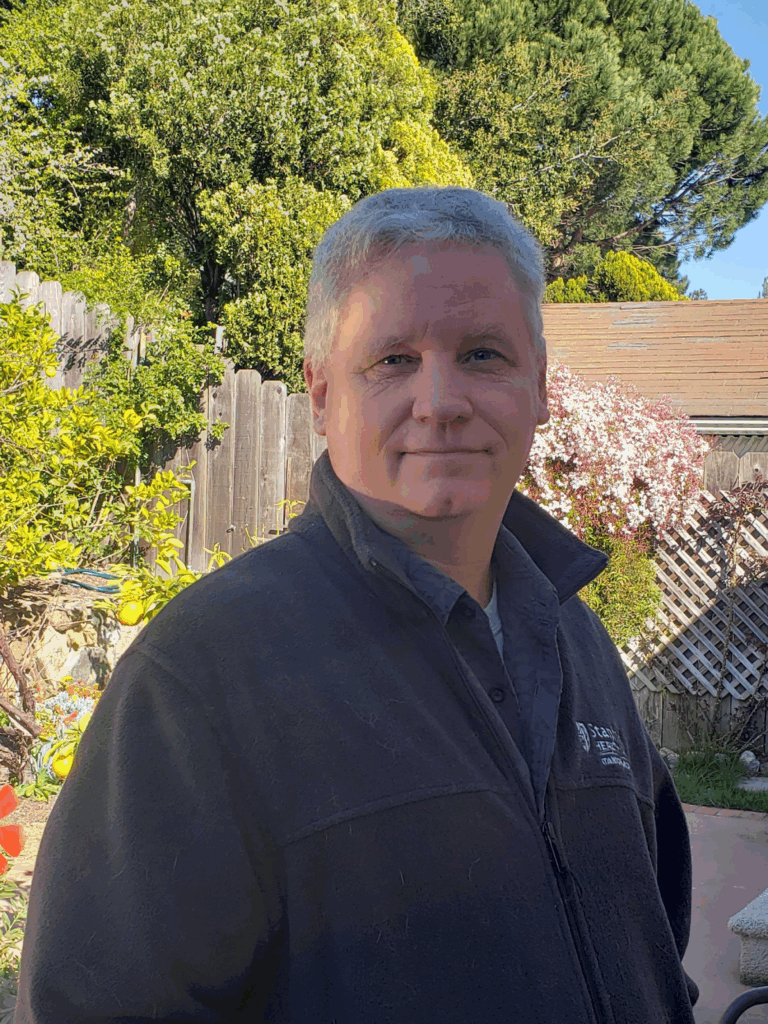
What’s your role, and who do you help most often?
I’m the liaison with the Department of Graduate Medical Education (among other things). So, I typically support different residency programs via classes and literature search support.
What kinds of questions should people bring to you?
Anything related to literature searching, systematic reviews, research tools, or integrating AI into medical research and education.
How does your work improve patient care, research, or teaching?
By making high-quality evidence and tools easier to find and use, I save clinicians and researchers time and help ensure that teaching and patient care are grounded in the best available knowledge.
What’s one search or info-finding tip that saves time?
Use the tag site: in a Google search to limit the results to a particular website or web domain, e.g., guideline sepsis infants site:aap.org or surgical checklists outcomes site:.org
Fun & Fast Questions:
- First database you open most days? PubMed.
- Most underrated resource in our library? LibKey—it’s a game-changer for quick PDF access.
- Emoji that describes your job this week? 🔍
- Favorite coffee/tea fuel? Coffee—black.
- Off-the-clock hobby or fun fact? I enjoy exploring naval history and coastal landscapes.
Ask Me About. . .
Choosing the right review type for your project.
Meet Evans Whitaker, Research & Instruction Librarian

Describe a recent project you’re proud of completing.
Publication of a scoping review, which carried on over a year with a shifting team of students and residents.
What’s one search or info-finding tip that saves time?
Try some preliminary searches in Scholar or using an AI agent.
What’s your go-to resource or tool—and when should others use it?
No one tool, but more a set of tools that address different parts of information finding, creating searches. I still love PubMed.
If someone has 10 minutes with you, what can you teach them?
I can show them LibKey Nomad and get them started with Zotero.
Fun & Fast Questions:
- First database you open most days? PubMed
- Most underrated resource in our library? Dynamed
- What’s one search filter or hedge you use constantly? A homemade filter for primary data
- Favorite coffee/tea fuel? Medium roast drip coffee with milk
- Best time to contact you for a quick question? Try any old time…
- A book, podcast, or course you recommend? For fun, try “Unlicensed” (podcast)
- Off-the-clock hobby or fun fact? Perpetual home repair
Ask Me About. . .
The “nuts and bolts” of evidence synthesis.
Meet Daniel Eller, Research Communications Librarian
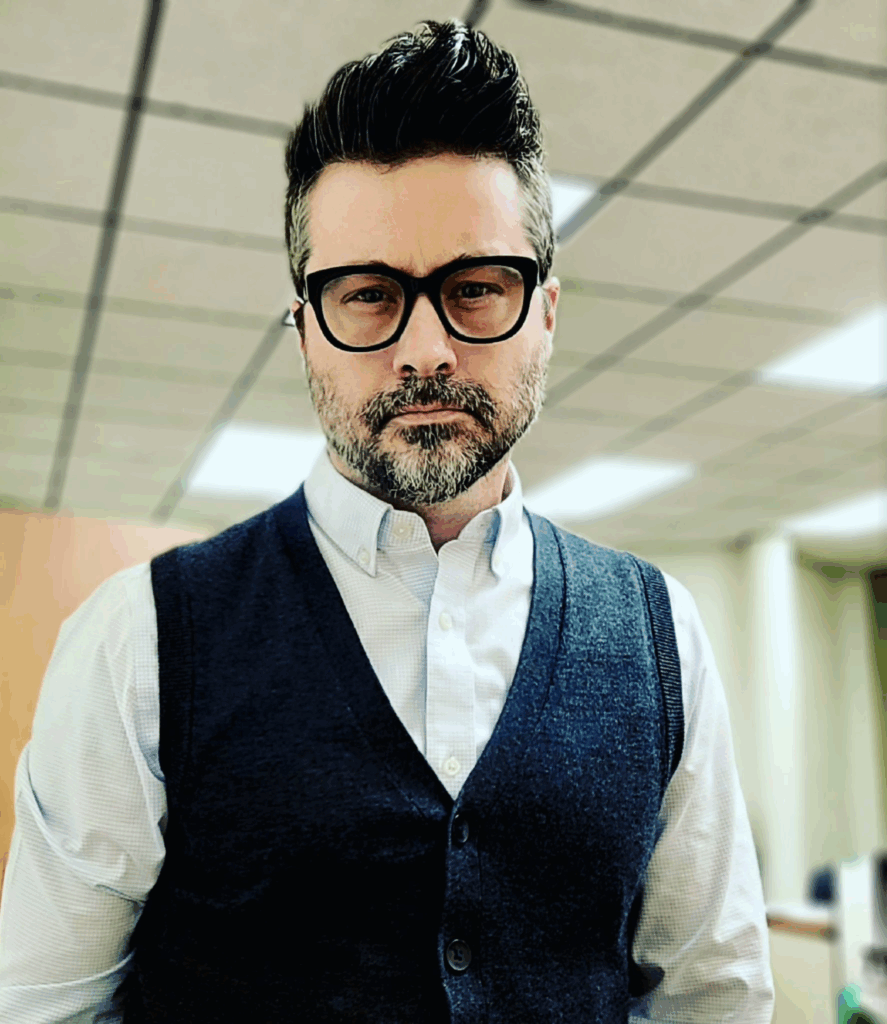
What’s your role, and who do you help most often?
My role is Research Communications. Apart from the usual research and instruction duties, I work in scholarly communication and help with all the issues surrounding academic publishing and how to understand the impact of that research.
What’s changing in your area this year that people should know about?
In scholarly communication and research, things are constantly changing. Technology is a major driving force in research, and as AI has brought about broad and sudden changes to every aspect of research, it is as important as ever that librarians help educate and empower researchers to stay on top of those breakthroughs.
What workshop or class is most popular—and why?
AI and Research! No question. This is what EVERYONE wants to learn about.
What do learners struggle with most, and how do you help?
Often, Learners struggle with the basics, like forming a very tight research question and then finding a systematic way to approach that research question within a feasible timeframe. Often, researchers try to take on too much for the time they say they have 😊
Fun & Fast Questions:
- First database you open most days? PubMed.
- Most underrated resource in our library? Altmetrics Explorer
- Emoji that describes your job this week? 😃
- Favorite coffee/tea fuel? COFFEE
Ask Me About. . .
NIH Data Management Plans and where to put your data.
Meet Amanda Woodward, Web Services Librarian
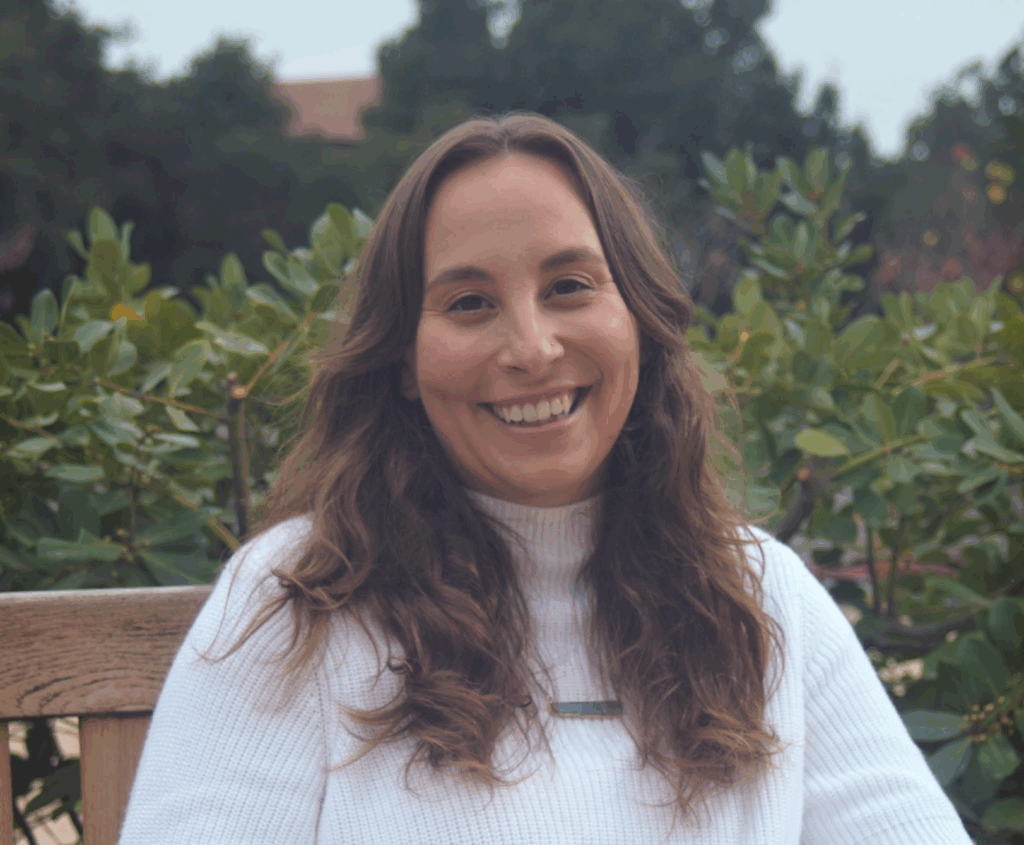
What’s your role, and who do you help most often?
I manage our library website content and work with staff throughout the library to make sure our website makes it easy for the Stanford Medicine community to find what they need. I also manage our library blog and communication efforts to increase awareness for our services and resources. On the Research & Instruction team, I teach research skills, support my liaison areas, and help researchers one-on-one.
How does your work improve patient care, research, or teaching?
I work with clinicians and researchers to help them find the best information available. Sometimes this information is used for patient care. Often, I help with search strategies for systematic and scoping reviews. These evidence synthesis projects help advance the evidence base in the biomedical field.
What workshop or class is most popular—and why?
I teach our Zotero Basics and Advanced classes. These online workshops help people learn how to use Zotero, a free reference management tool. I cover how to get started with Zotero, add references to your Zotero library, and use Zotero with Word or Google Docs to create citations while writing.
Fun & Fast Questions:
- First database you open most days? PubMed
- Most underrated resource in our library? Scopus
- Emoji that describes your job this week? 🤓
- Favorite coffee/tea fuel? Cold brew
- A book, podcast, or course you recommend? The Retrievals- produced by Serial Productions, this podcast dives into pain and anesthesia issues during egg retrievals and c-sections.
- Off-the-clock hobby or fun fact? Yoga
Ask Me About. . .
Point-of-care tools and when to use which.
Learn more about all the Research Services our team offers, and contact us for help!